Quick Answer
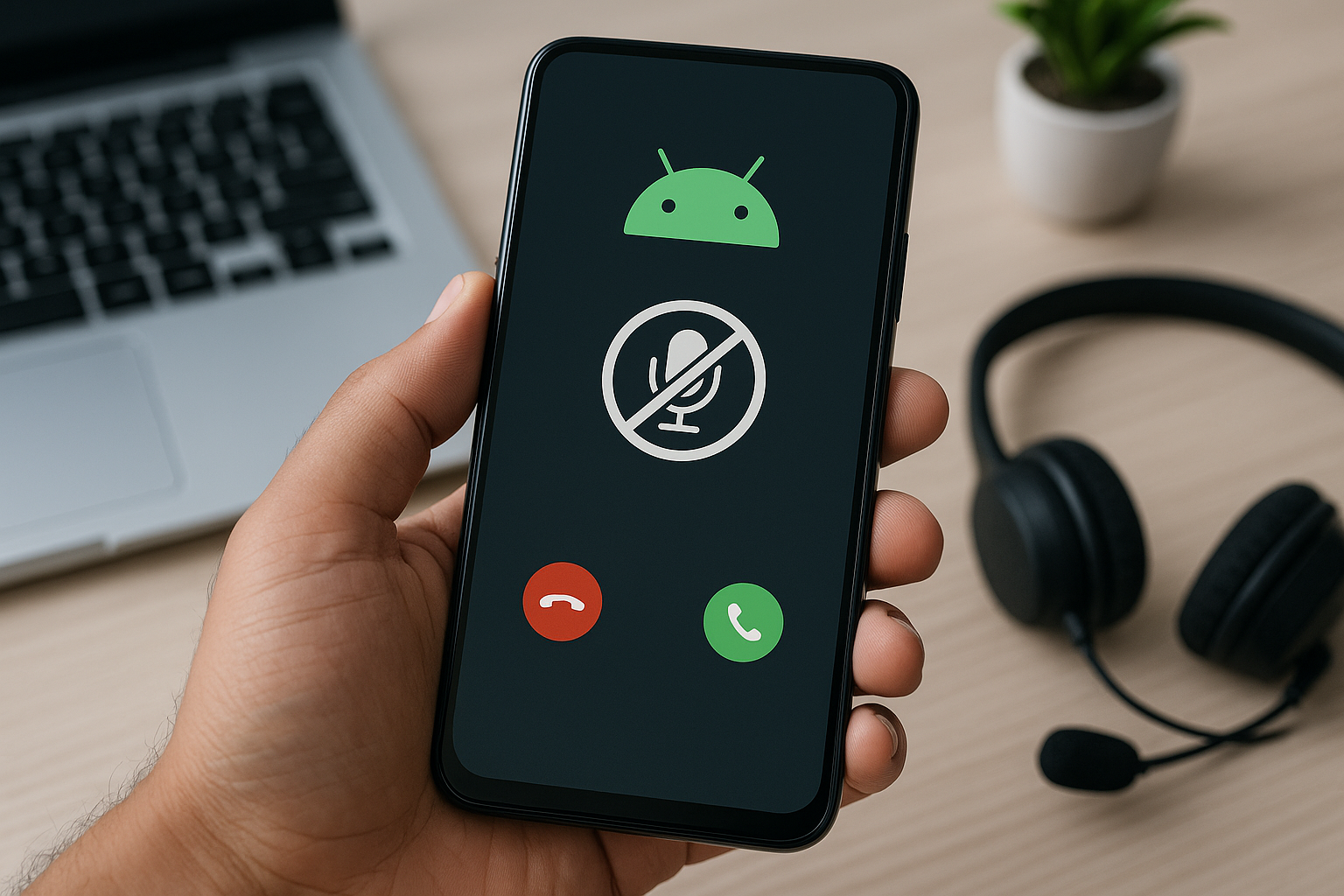
Your Android microphone may not work during calls due to software glitches, blocked microphone openings, faulty apps interfering with audio permissions, outdated system software, or hardware damage. Most issues stem from simple causes like protective cases covering the microphone or apps conflicting with phone permissions. Start by checking physical obstructions, restarting your device, and testing the microphone in different apps to isolate whether the problem is hardware or software-related.
Understanding the Microphone Problem
When your microphone stops working during phone calls, it disrupts your ability to communicate effectively. The person on the other end can’t hear you, or your voice sounds muffled and distant. This frustrating issue affects Android users across different brands and models, from Samsung and Google Pixel to OnePlus and Motorola devices. The microphone system on Android phones is more complex than it appears, involving multiple components including the primary microphone at the bottom of your device, a secondary microphone for noise cancellation typically located near the camera, and sophisticated software that manages audio routing during calls.
Before assuming your phone needs professional repair, you should understand that most microphone issues during calls result from fixable software problems rather than permanent hardware failure. The Android operating system manages audio permissions, call routing, and app access to your microphone, and any misconfiguration in these systems can prevent your microphone from functioning properly during calls while still working in other apps like voice recorders or video apps.
Physical Obstructions and Cleaning
The most common and easiest-to-fix cause of microphone problems involves physical blockages. Your Android phone typically has multiple microphone openings, and these small holes easily collect lint, dust, and debris from pockets and bags. Phone cases, particularly thick protective cases, sometimes misalign with the microphone openings and muffle sound or block it entirely. Screen protectors that extend too far down the front of your device can also cover the earpiece microphone used during regular calls.
Start by removing your phone case and screen protector, then make a test call to see if the problem persists. Examine all microphone openings on your device—usually one at the bottom edge, one near the rear camera, and sometimes one at the top edge. Use a flashlight to look for visible debris. If you spot buildup, gently clean the openings with a soft-bristled toothbrush or a dry cotton swab. Avoid using liquids, compressed air, or sharp objects that could damage the delicate microphone membranes. For stubborn debris, a wooden toothpick used very carefully around the edges can dislodge particles without scratching metal components.
Software and Settings Issues
Software problems frequently cause microphone failures during calls. Android updates sometimes reset audio settings or create conflicts with existing configurations. Start by checking your basic phone settings. During a call, verify that the mute button isn’t accidentally activated—this simple oversight accounts for numerous microphone complaints. Check your Bluetooth settings to ensure your phone isn’t trying to route audio to a disconnected or out-of-range Bluetooth device like a car system or wireless headphones.
App permissions represent another critical area. Third-party apps that use your microphone can sometimes interfere with phone call audio. Navigate to Settings, then Apps or Application Manager, and review which apps have microphone permissions. Revoke permissions for apps that don’t need microphone access. Communication apps like WhatsApp, Telegram, or voice recording apps occasionally conflict with the native phone dialer’s microphone access, especially if they crashed while using the microphone.
Your phone’s audio settings might need adjustment. Go to Settings, then Sound or Sound & Vibration. Some Android phones have separate volume controls for calls, media, and notifications. Ensure call volume is turned up. Some devices have accessibility features that can affect call audio—check Settings under Accessibility for any hearing aid compatibility modes or audio routing options that might have been enabled accidentally.
Testing Your Microphone
Systematic testing helps determine whether your microphone problem affects all functions or just phone calls. Open your voice recorder app and make a test recording while speaking clearly. Play it back to check if your voice sounds normal. Next, open your camera app and record a short video while speaking. Review the video to assess audio quality. If the microphone works properly in these apps but fails during phone calls, you’re dealing with a call-specific software issue rather than hardware failure.
Try making calls using different methods. Place a regular cellular call, then test a VoIP call through apps like WhatsApp, Messenger, or Google Meet. If your microphone works in these apps but not in regular calls, the problem likely involves your phone’s dialer app or cellular network settings. Conversely, if the microphone fails across all calling methods but works in recording apps, you might have a permissions issue or a problem with your phone’s audio routing system.
Restarting and Safe Mode
A simple restart resolves many temporary software glitches affecting microphone functionality. Hold your power button and select Restart or Reboot. This clears your phone’s temporary memory and resets background processes that might be interfering with microphone access. If a standard restart doesn’t help, try booting into Safe Mode, which disables all third-party apps and runs only core system software.
To enter Safe Mode on most Android devices, press and hold the power button until the power menu appears, then press and hold the “Power off” option until you see a prompt to reboot in Safe Mode. Once in Safe Mode, make a test call. If your microphone works correctly in Safe Mode, a third-party app is causing the problem. Restart normally and uninstall recently downloaded apps one by one, testing your microphone after each removal until you identify the culprit.
System Updates and Cache Clearing
Outdated software creates compatibility issues that affect microphone performance. Check for system updates by going to Settings, then System or Software Update. Install any available updates for both your Android operating system and your carrier settings. Manufacturers regularly release patches that fix known audio bugs. After updating, restart your phone and test your microphone again.
Clearing the cache for your phone app can resolve corruption issues. Navigate to Settings, then Apps, and find your Phone or Dialer app. Tap Storage, then Clear Cache. This removes temporary files that might be causing conflicts without deleting your call history or contacts. If clearing the cache doesn’t help, you can try clearing the app’s data as a more aggressive step, though this will reset the app to its default state.
Network and Carrier Settings
Sometimes microphone problems during calls stem from network or carrier configuration issues. Your mobile network settings might need refreshing. Go to Settings, then Network & Internet or Connections. Toggle Airplane Mode on for 30 seconds, then turn it off. This forces your phone to reconnect to your carrier’s network and can resolve audio routing problems.
If you recently switched carriers or moved to a new area, your network settings might need updating. Contact your carrier to ensure your account is properly provisioned and that there are no known network issues in your area. Some carriers can push updated settings to your device remotely. You can also try resetting your network settings by going to Settings, then System, Reset Options, and Reset Wi-Fi, Mobile & Bluetooth. Note that this will erase saved Wi-Fi networks and Bluetooth pairings, so you’ll need to reconnect to these afterward.
Hardware Considerations
If you’ve exhausted all software solutions, hardware damage might be responsible. Water exposure, even minor incidents, can damage microphone components. Liquid damage doesn’t always cause immediate failure—corrosion can develop over time and gradually affect microphone performance. Physical drops can disconnect internal cables or damage the microphone membrane.
Manufacturing defects occasionally affect microphone components, particularly in certain device batches. Research whether your specific phone model has known microphone issues by searching online forums and the manufacturer’s support pages. If your device is under warranty and you’ve ruled out software causes, contact the manufacturer or your retailer about repair or replacement options. Many manufacturers offer diagnostic tools in their support apps that can test hardware components and generate reports you can share with support teams.
When to Seek Professional Help
Professional repair becomes necessary when DIY solutions fail to restore microphone functionality. If your microphone doesn’t work in any app, including voice recorders and video recording, and you’ve tried all software fixes, you likely have a hardware problem. Authorized service centers can diagnose issues using specialized equipment and replace faulty components. Microphone replacement is often a relatively affordable repair compared to other phone components.
Before visiting a repair shop, back up your important data and note specific details about your problem, including when it started, what you’ve already tried, and whether any particular events preceded the issue like water exposure or a drop. This information helps technicians diagnose the problem more efficiently. Get repair estimates from multiple sources if your device is out of warranty, as prices can vary significantly between different repair providers.
Frequently Asked Questions
Why does my microphone work in recording apps but not during phone calls?
This indicates a software issue rather than hardware damage. Your phone uses different audio pathways for recording and calling, and problems with the phone dialer app, call audio settings, or network configuration can prevent the microphone from working during calls while still functioning in other apps. Try clearing your phone app’s cache, checking for system updates, and testing calls in Safe Mode to identify conflicting apps.
Can a phone case really cause microphone problems during calls?
Yes, phone cases frequently cause microphone issues, especially thick protective cases or those not designed specifically for your phone model. Cases can misalign with microphone openings and block or muffle sound significantly. Always remove your case as a first troubleshooting step, as this immediately resolves the problem in many cases and helps you determine whether you need a better-fitting case.
How do I know if my microphone problem is from water damage?
Water damage typically causes microphone quality to degrade gradually rather than failing instantly. Signs include static, crackling sounds, intermittent functionality, or muffled audio that worsens over time as corrosion develops. Check your phone’s water damage indicators—small stickers inside the SIM card tray or charging port that turn red or pink when exposed to moisture. Even water-resistant phones can suffer damage if seals are compromised or if exposure exceeds rated limits.
Will a factory reset fix my microphone problem?
A factory reset can fix software-related microphone issues caused by corrupted system files, problematic app conflicts, or incorrect settings that are difficult to identify. However, it won’t fix hardware problems like damaged microphone components or blocked openings. Before performing a factory reset, back up all your data and try less drastic solutions first, such as clearing app caches, updating your system, and testing in Safe Mode to isolate the cause.
Why does my microphone work on speakerphone but not regular calls?
Your Android phone uses different microphones for regular calls versus speakerphone calls. The primary microphone at the bottom of your device handles speakerphone and most recording functions, while the secondary microphone near the top or back manages regular call audio and noise cancellation. If one works but not the other, you likely have a hardware issue with a specific microphone component or a software problem affecting audio routing between these microphones.
Can apps I installed cause my microphone to stop working during calls?
Yes, certain apps can interfere with microphone functionality during calls, particularly apps that use audio features like voice recorders, communication apps, or voice assistants. These apps sometimes don’t properly release microphone resources after use, or they conflict with system-level audio permissions. Booting into Safe Mode helps identify app-related problems, and systematically uninstalling recently added apps can pinpoint the specific culprit causing the interference.
How much does it cost to repair a broken Android microphone?
Microphone repair costs vary based on your device model and whether you use authorized service or third-party repair shops. For most Android phones, microphone component replacement ranges from $50 to $150 at third-party shops, while authorized service centers may charge more but provide manufacturer-backed warranties on repairs. If your device is under warranty and the damage isn’t from physical or liquid damage, the repair should be free.